
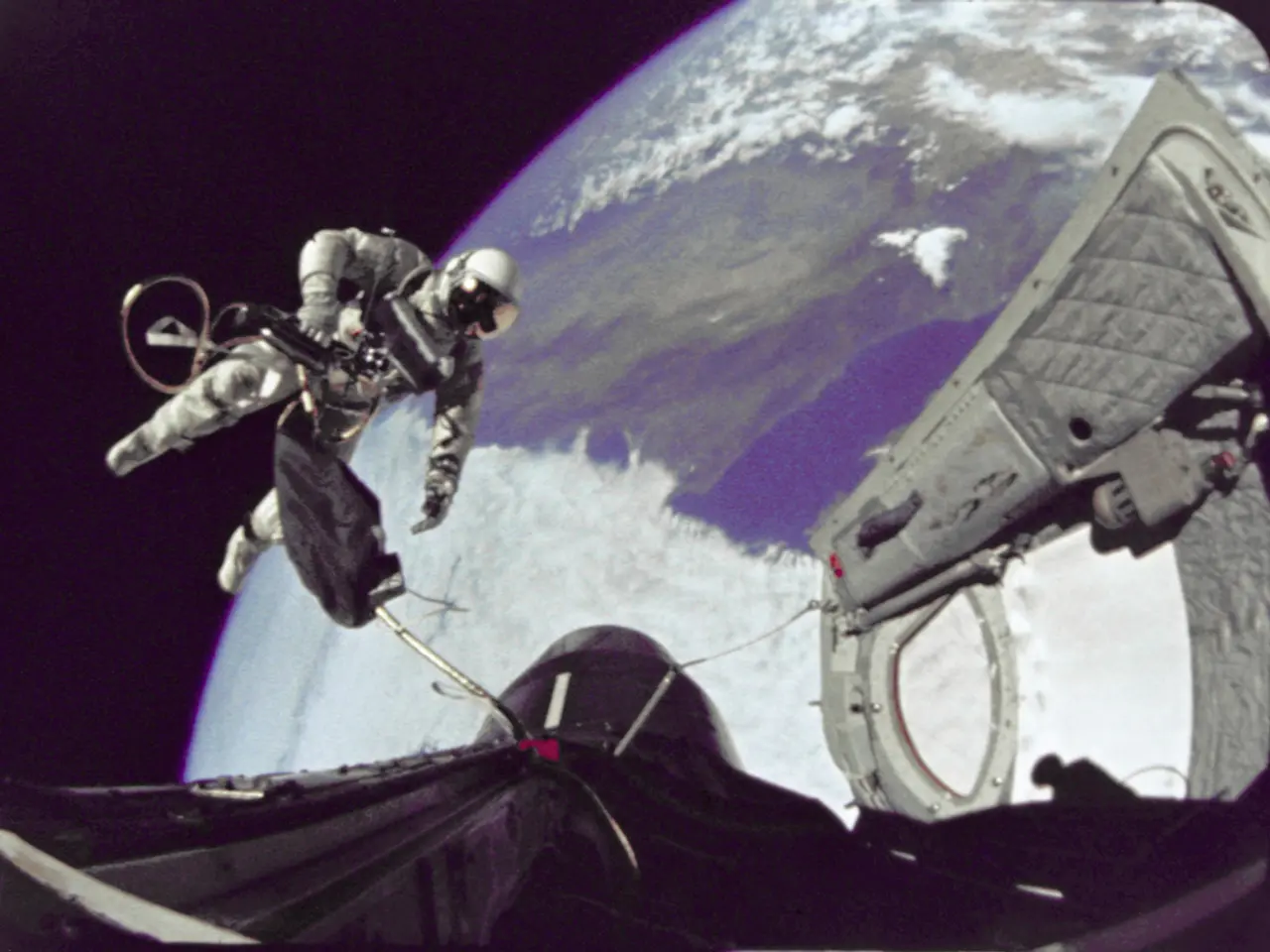
The Imperative Role of Space Exploration in Human Advancement
In the vast expanse of the cosmos, space exploration serves as a beacon of discovery and innovation, transforming our daily lives in ways we may not even realise.
From the lofty heights of orbiting satellites to the distant reaches of asteroids, space exploration offers a unique perspective that reminds us of our shared existence and the boundless possibilities that lie ahead.
One of the most valuable benefits of space exploration is the invaluable data provided by satellites, which monitor weather patterns, track natural disasters, and study deforestation. This information is crucial for making informed decisions about climate change and environmental policies.
Moreover, space exploration is like a never-ending research and development lab, where solutions developed for zero gravity seep into various aspects of everyday life. For instance, the Dustbuster, a popular cordless vacuum, originated from a motor developed for a portable drill used on the Apollo Moon missions.
Similarly, infrared ear thermometers, grooved pavement, emergency blankets, memory foam, and even medical imaging technologies like MRI and CAT scans all have roots in space exploration. These innovations have significantly improved convenience, safety, health, and connectivity in our daily lives.
The technology behind GPS and satellite navigation, derived from space satellite systems like the European Galileo, has revolutionised smartphone navigation, route planning, transport tracking, and integration with IoT and AI technologies.
Space exploration has also spurred the development of satellite-based voice, video, and data relay systems that form the backbone of modern telecommunications. This advancement has connected the world in ways unimaginable just a few decades ago.
Furthermore, space exploration leads to groundbreaking technologies that seep back into daily life, such as the development of solar panels based on space technology. These panels are becoming increasingly common in renewable energy solutions, powering homes and businesses across the globe.
In the realm of healthcare, space exploration has led to advancements in medical imaging technologies, enabling doctors to diagnose and treat patients more accurately. Techniques and sensors developed for space missions have contributed to improvements in medical imaging devices, making a significant impact on patient care.
Moreover, the same ingenuity that helps astronauts survive in the harshness of space also aids in everyday life, such as the development of smartphone components. For example, the technology behind water purification systems originated from NASA's quest for longer missions, providing clean water for millions around the world.
Collaboration in space exploration fosters a spirit of innovation that transcends borders and inspires generations. Space exploration sets aside differences and unites countries for common goals, such as landing on Mars or studying asteroids. This global cooperation is a testament to the power of human ingenuity and our shared desire to explore the unknown.
In conclusion, space exploration is more than just a journey into the cosmos; it is a catalyst for everyday innovations that enhance our lives in ways we could never have imagined. From cordless vacuums to GPS systems, the impact of space exploration on our daily lives is profound and far-reaching. As we continue to explore the cosmos, who knows what other innovations await us?
Technology birthed from space exploration extends its reach into the realm of science, as the design of the Dustbuster, a popular cordless vacuum, originated from a motor developed for a portable drill used on the Apollo Moon missions. Additionally, the advancements in medical imaging technologies, such as MRI and CAT scans, have roots in space exploration, enabling doctors to diagnose and treat patients more accurately.




