Redesigning the Car MOT Inspection: A Look at DVSA's Transformation
Modernizing MOT Services: DVSA's Digital Transformation
The Driver and Vehicle Standards Agency (DVSA) is modernizing its MOT services, focusing on updated testing criteria and digital technology to ensure road safety and compliance.
The agency has received internal approval for over 20 new members to join its digital team, a move that will bolster its efforts to adapt to the changing landscape of vehicle technology.
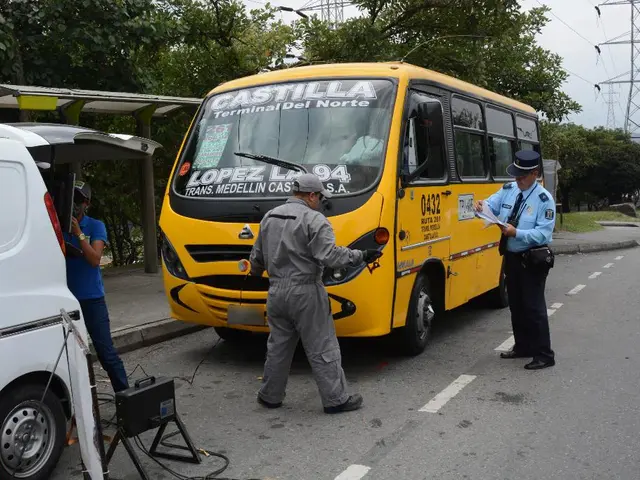
The MOT tests, which the DVSA handles 42 million times annually, are now undergoing stricter emissions testing standards, new inspection points for electric and hybrid vehicles, validations of Advanced Driver Assistance Systems (ADAS), and enhanced checks on tyres and brakes accounting for newer technologies such as regenerative braking.
The MOT results are now digitally recorded and synced in real-time with DVLA records, allowing drivers to receive notifications through email or SMS regarding MOT status and expiry. This digital record-keeping not only improves compliance but also enhances convenience for drivers.
The Technical Support Service (TSS), operated by BJSS, plays a crucial role in this transformation. Currently consisting of a core group of 18 people, down from a peak of 75, the TSS provides dedicated technical assistance and support to MOT testers and service centers. It ensures that the new inspection procedures and digital integrations are correctly implemented and maintained.
The TSS manages the production environment and ensures software updates are fit for purpose, with the authority to challenge a release if it does not meet the required criteria. It also provides incident and change management for MOT testers, handling around 300 support tickets per month.
The DVSA's previous MOT solution was a fully outsourced contract that started in 2005 and included the mainframe backend, all software, and dedicated garage hardware provided by the supplier. However, the agency is now transforming its technology landscape from outsourced contracts to in-sourced agile delivered services.
The DVSA has sourced shorter contracts for differing elements of its technology, with the agency running, improving, and controlling the service. The agency deployed a technology service desk known as the 'Technical Support Service' (TSS) to facilitate this transition.
The DVSA utilised an agile model to develop the new digital service, starting with a minimum viable product release and then delivering constant, regular improvements based on user feedback. This approach has resulted in users seeing improvements to the application more regularly than with the old solution.
The DVSA measures the velocity of development sprints and value throughput to end users, with a backlog of change planned out for several months ahead. The agency is also planning to scale the TSS and eventually support other applications, such as the system to support goods vehicle operator licensing or commercial vehicle testing.
Amazon Web Services (AWS) was selected as the technology partner for the MOT service, making it the first national government service to be hosted at scale on AWS. The DVSA's MOT modernization program has been recognised as a successful example of the benefits of working collaboratively in an agile way, according to a Government Digital Service peer review.
The DVSA's modernization journey doesn't stop at the MOT service. The agency is also working on similar projects for driver and rider services technology and commercial vehicle testing technology.
[1] Source: DVSA press release, [date]
The digital transformation at the Driver and Vehicle Standards Agency (DVSA) involves integrating technology, such as digital record-keeping and updated inspection points for electric and hybrid vehicles, as part of modernizing its MOT services.
Joining the digital team could enable new members to contribute to the development and implementation of these technological advancements, thereby contributing to the adaption to newer vehicle technologies in the MOT services.