Mobile Application Development in 2025: Opting Between Native Applications and WebView Applications
In the rapidly evolving world of mobile technology, two main types of apps have emerged: native apps and webview apps. Each has its unique advantages and disadvantages, particularly in terms of user experience, hardware compatibility, offline functionality, and app store acceptance.
Native Apps: A Powerful Mobile Solution
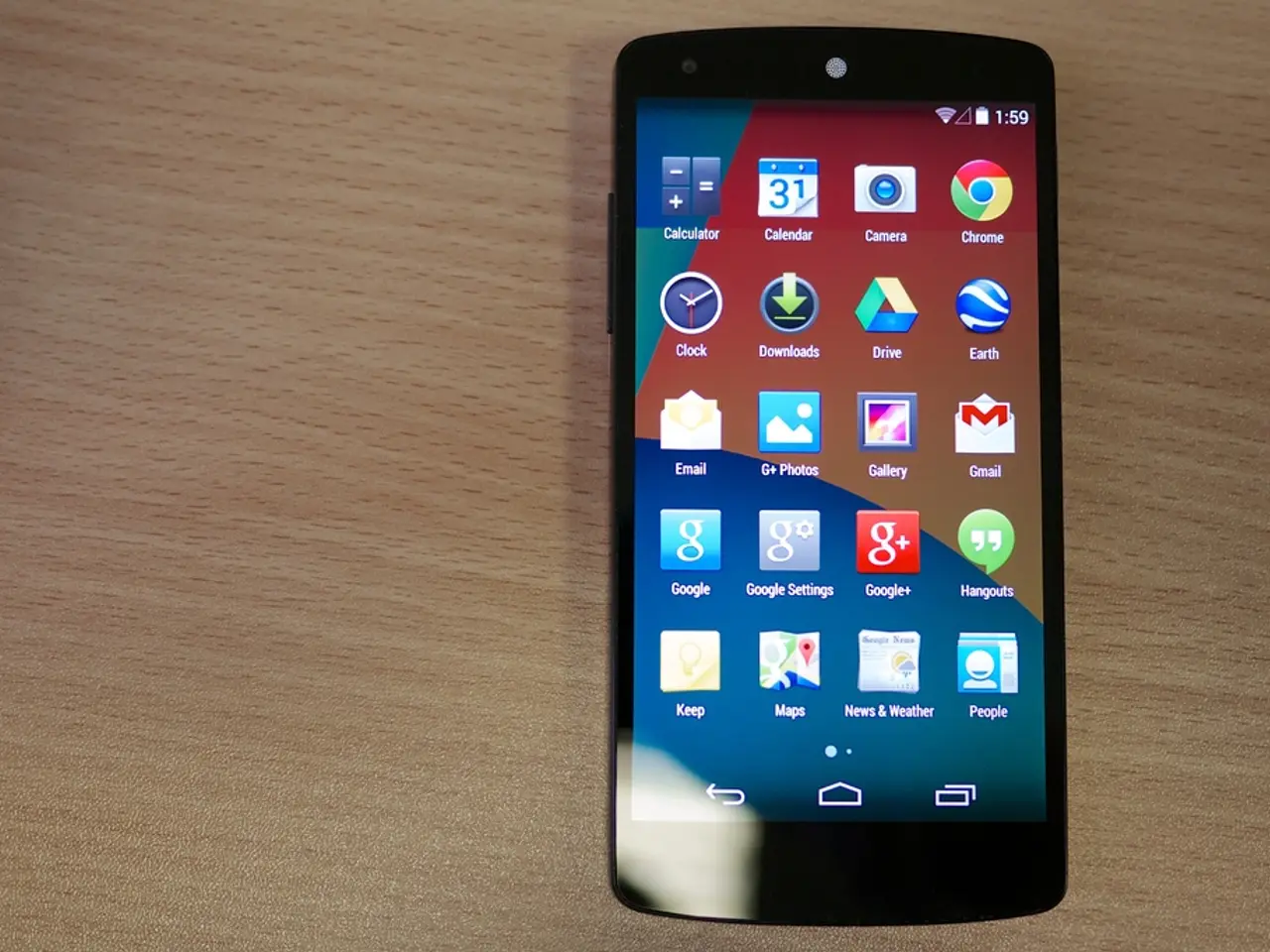
Native apps, which are installed directly on a product's memory, provide a superior, highly polished, and platform-specific user interface (UI). They offer smoother animations and interactions, creating a more intuitive and fluid user experience overall. Native apps also have full access to native device features and hardware, such as the camera, GPS, microphone, sensors, and push notifications, through platform APIs. This allows for easier leveraging of device capabilities and comprehensive offline support, as data can be stored locally and the app can function fully without internet. Native apps are distributed through app stores like the Apple App Store and Google Play, which often require review and impose guidelines but grant access to large user bases. This app store presence can enhance trust and visibility [1][2][4].
Webview Apps: A Faster, Cheaper Option
Webview apps, on the other hand, are a type of hybrid app that wraps web content inside a native container. While they typically have a consistent but less polished experience across devices, they are often "good enough" for many use cases [1]. Webview apps lack hardware integration, leading to a lack of compatibility with mobile device features. However, they offer advantages in development speed, cost, ease of updates, and are suitable for applications where advanced device integration and offline performance are not critical [1][3].
Additional Context
The development time and cost for native apps are typically more significant due to the need for separate codebases for each platform and specialized skills. In contrast, webview apps are cheaper and faster since they use a single codebase (web technologies) wrapped in a native container [1][2][3].
When to Choose Which
For apps central to business models and requiring extensive hardware use or smooth UX (e.g., Uber, Tinder, mobile games), native apps are generally superior despite higher cost and complexity [1]. For apps primarily presenting web content or existing web apps converted for mobile, webview apps provide a faster, cheaper solution that is often adequate [1][3].
The Future of Mobile Apps
As mobile apps continue to grow in popularity, the choice between native apps and webview apps becomes increasingly important. The decision depends on your priority criteria: if user experience, device integration, and offline functionality are critical, native is better; if cost, speed of deployment, and leveraging existing web content matter most, webview is a practical choice [1][2][3][4].
Tools for Efficient App Creation
Tools like Twinr, a mobile app builder for iOS and Android, assist users in creating native apps more efficiently and cost-effectively. Twinr is an example of a no-code app building site, allowing users without technical skills to develop apps [5].
In conclusion, both native apps and webview apps have their strengths and weaknesses. Understanding these differences can help developers and businesses make informed decisions when creating mobile applications that cater to their specific needs and priorities.
[1] https://www.infoq.com/articles/native-vs-hybrid-apps/ [2] https://www.smashingmagazine.com/2015/08/native-vs-hybrid-apps-whats-best-for-your-project/ [3] https://developer.mozilla.org/en-US/docs/Web/Progressive_web_apps [4] https://www.sitepoint.com/native-apps-vs-web-apps/ [5] https://twinr.app/
- In the realm of business finance, investing in native apps can lead to immediate returns, as they offer a superior user experience and full access to device features, providing an edge for performance-intensive apps such as Uber and mobile games.
- For lifestyle businesses like online magazines or blog platforms, webview apps can be a more cost-effective solution, providing a faster deployment speed and leveraging existing web content without the need for specialized skills in multiple platform-specific programming languages.